

Why the Small Details Are the Ones Guests Remember
Ask a guest a year after their stay what they recall about a room, and it is rarely the colour of the walls or the make of the mattress. It is the things that felt personal: the small jug of daffodils on the sill, the carafe of water within arm's reach, the folded note with their name written at the top. None of it costs much. All of it requires someone to think about the person who is about to walk through the door.
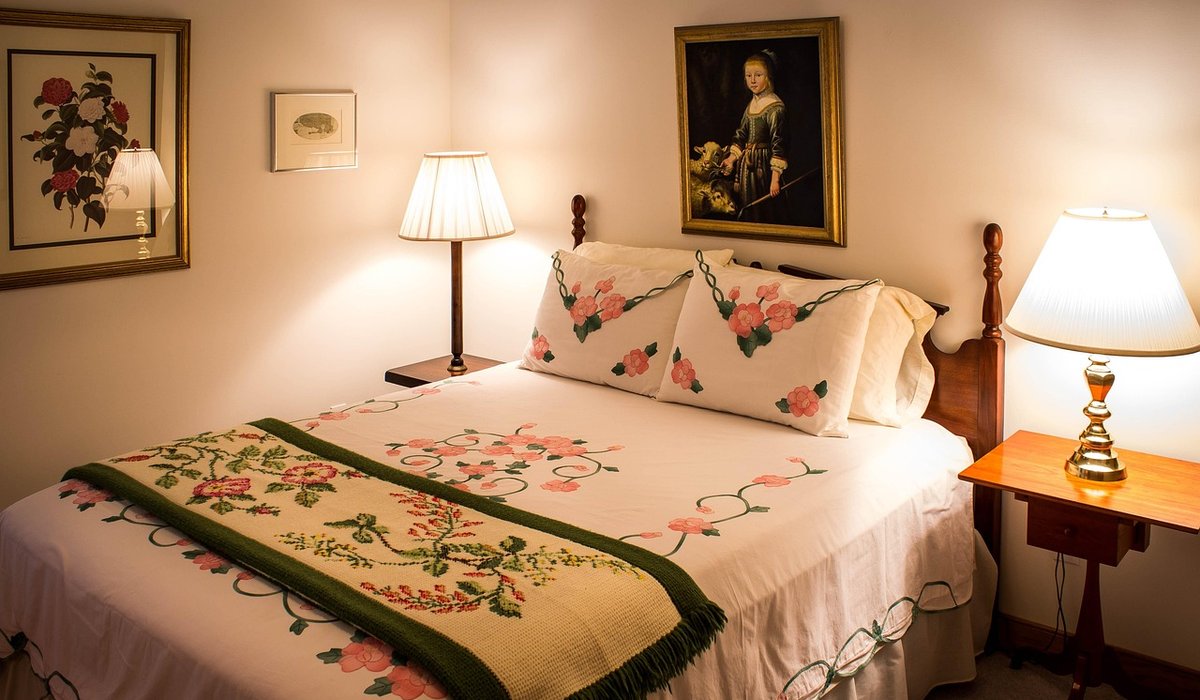
That is the quiet advantage a bed and breakfast has over a large hotel. In a hotel, a room is a unit. In a B&B, it is a room in somebody's house, and guests can feel the difference the moment they put their bag down. The trick is to be deliberate rather than lavish. A handful of thoughtfully placed touches will always beat a room full of ornaments.
Flowers That Suit the Room and the Season
Fresh flowers are one of the cheapest ways to make a room feel cared for, but a little restraint goes a long way. A single stem in a small glass bottle on the bedside table often reads better than a big bouquet that blocks the mirror.
- Go seasonal and local. Daffodils or narcissi in early spring, sweet peas in June, a few stems of lavender in July, dried seed heads in winter.
- Avoid lilies and anything heavily perfumed — scent can be overwhelming in a small room, and pollen marks are the devil to remove from white linen.
- Check for allergies. If a guest has mentioned hay fever or asthma, swap flowers for a small potted herb or a bowl of greenery.
- Refresh the water daily and pull out anything past its best. A drooping carnation undoes the whole gesture.
Cut flowers from your own garden carry a story, and guests often ask about them at breakfast. That conversation is worth more than the flowers themselves.
The Bedside Carafe — and Other Practical Comforts
A glass carafe of fresh water with two glasses, not one, is a simple luxury. It saves a guest padding downstairs in the dark, and it signals that you have thought about the middle of the night as well as the arrival. Refill it during the day, and leave a small coaster underneath so the wood stays dry. A covered jug in the fridge for the warmer months is a nice variation.
While you are at the bedside, consider the rest of the practical picture:
- A reading lamp bright enough to actually read by, positioned so it does not shine in a sleeping partner's face.
- A charging point within reach of the bed, ideally with a spare cable or a USB socket.
- A small dish or tray for rings, earrings and loose change.
- A torch in the drawer, in case of a power cut or a late-night trip to the car.
- A hook on the back of the door, a spare blanket on the chair, tissues within arm's reach.
These are not glamorous. They are the things guests notice only when they are missing, and notice fondly when they are there.
The Handwritten Welcome Note
A handwritten note is the single most memorable touch in most guest rooms, and it takes two minutes. Keep it short — three or four lines is plenty. Use their names, thank them for choosing you, and offer one specific piece of local knowledge: which bakery opens at seven, where to park without a ticket, the footpath that leads to the good view.
Write it on the day they arrive, not a week in advance, and sign it by hand. A printed card with a typed message reads as corporate; a pen mark reads as human. Leave it on the pillow or propped against the kettle, somewhere a guest will find it early rather than at the bottom of a drawer.
Tea Trays, Scents and Other Sensory Touches
Most guests make a cup of tea within ten minutes of arriving. Make that easy and generous: proper mugs rather than fragile little cups, a decent selection including a caffeine-free option, fresh milk in a small flask or jug, and a biscuit or two. A cafetière with ground coffee and a small packet of shortbread says something about the kind of place you are running.
Be cautious with scent. Plug-in air fresheners, reed diffusers and strong candles divide opinion sharply; what smells welcoming to one guest may give another a headache. A sprig of dried lavender in an open bowl, or a window left open for ten minutes before arrival, is usually enough. Similarly, check the small sounds: a ticking clock, a dripping tap or a rattling radiator can keep a light sleeper awake all night. Warm bulbs and a dimmable switch are kinder than harsh overhead lighting at eleven o'clock.
Getting the Balance Right
The goal is not to fill the room with things, but to place a few of them well. Clutter reads as neglect, not charm. Aim for three or four consistent touches — flowers, water, a note, a good tea tray — and make sure they are done properly every single time. A guest who returns and finds the same carafe and the same handwritten note learns that your attention is not a one-off performance.
Finally, think about the last thing a guest sees. A slice of homemade cake wrapped for the journey, an umbrella by the door when rain is forecast, a written note about where to find an evening meal — these send people away feeling looked after. Hospitality is remembered in the details either side of the night's sleep.


Coding is used in almost all aspects of life and work now, be it directly or indirectly. It’s not just for companies in the tech sector. “An increasing number of businesses rely on computer code,
Coding is used in almost all aspects of life and work now, be it directly or indirectly. It’s not just for companies in the tech sector. “An increasing number of businesses rely on computer code,
Coding is used in almost all aspects of life and work now, be it directly or indirectly. It’s not just for companies in the tech sector. “An increasing number of businesses rely on computer code,